Falls are the leading cause of injury for adults 65 and older, and the CDC reports that the fall death rate for older adults rose by 21% between 2018 and 2024. Understanding why falls happen is the first step to preventing them. Often it's a combination of several small risks at once.
1. Weak leg muscles
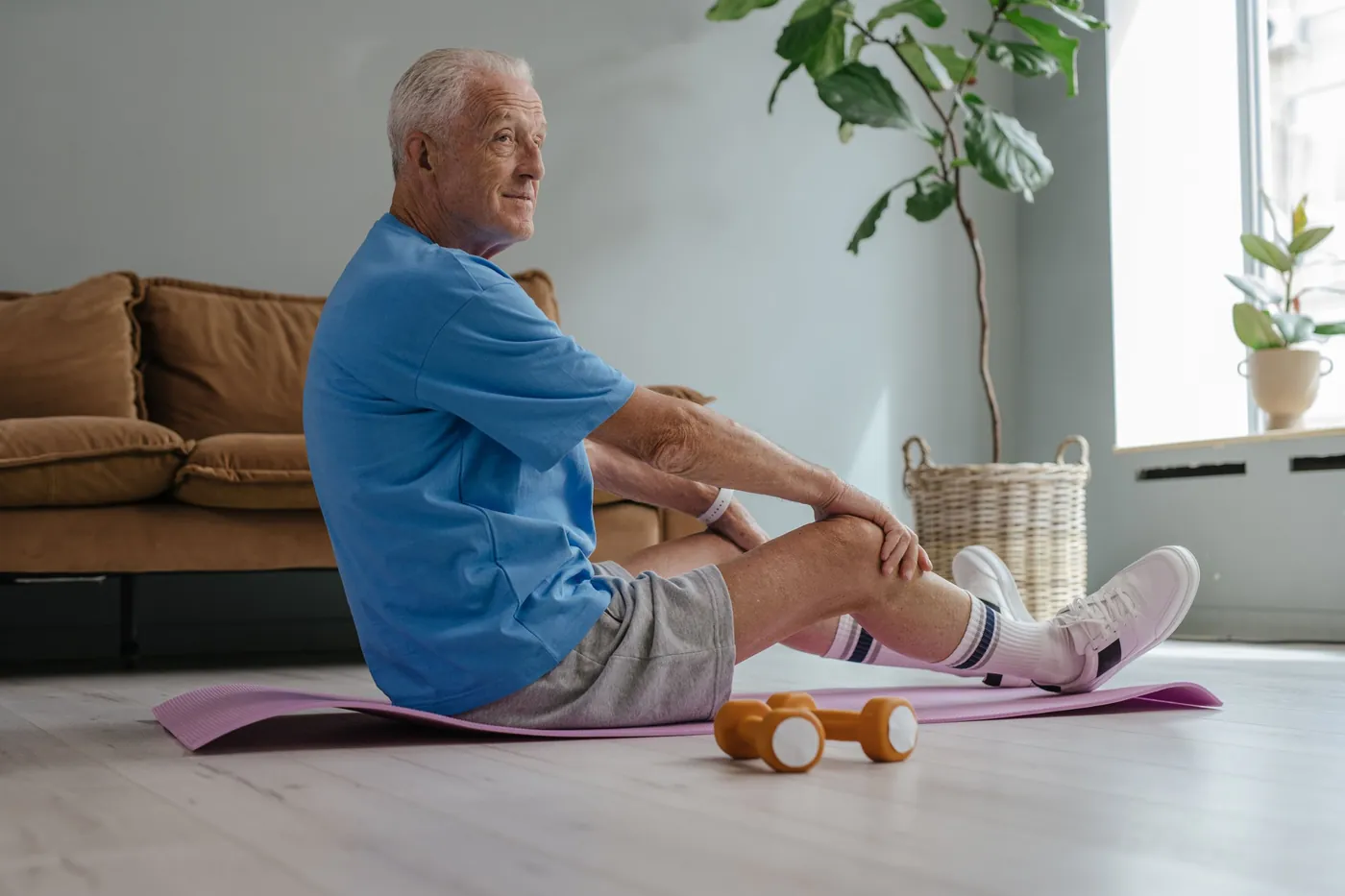
Strength in the legs and hips naturally declines with age and inactivity, making it harder to catch yourself if you trip. What helps: regular strength exercises, like standing up from a chair without using your hands, done a few times a week.
2. Balance and walking problems
Shuffling, unsteadiness or needing to hold on to furniture are signs of balance changes. What helps: balance training such as tai chi, and asking your doctor about a physical therapy evaluation. If a cane or walker is recommended, have it fitted properly.
3. Medications
Some medicines, including sleep aids, sedatives, some antidepressants and blood pressure medications, can cause dizziness or drowsiness, especially when several are combined. What helps: a yearly review of every prescription, over-the-counter medicine and supplement with your doctor or pharmacist. Never stop a medicine on your own.
4. Dizziness when standing up
A drop in blood pressure when you stand can make you lightheaded. What helps: sit on the edge of the bed for a moment before you get up, stand slowly, and tell your doctor if it happens often.
5. Vision changes
Cataracts, glaucoma, outdated glasses and bifocals can all make it harder to judge steps and edges. What helps: an eye exam every year, and take extra care on stairs if you wear bifocals or progressive lenses.
6. Foot pain and the wrong shoes
Painful feet change the way you walk, and slippers, socks and worn-out shoes reduce grip. What helps: see a podiatrist for foot pain, and read our guide to footwear and falls.
7. Hazards at home
Throw rugs, clutter, cords, poor lighting and missing grab bars cause many falls. What helps: walk through our room-by-room home safety checklist.
8. Rushing to the bathroom
Hurrying to the bathroom, especially at night in the dark, is a common moment for a fall. What helps: night-lights along the path, a clear walkway, and talking to your doctor about urgency.
9. Long-term health conditions
Conditions such as arthritis, diabetes (and nerve problems in the feet), Parkinson's disease, stroke and dementia can all affect strength, sensation and balance. What helps: keep these conditions well managed and ask your care team specifically about your fall risk.
10. Fear of falling
After a fall, or even a near-miss, many people start moving less. Less activity means weaker muscles and worse balance, which raises the risk of falling again. What helps: staying active safely, with exercise programs designed for older adults, and having a way to get help quickly so you feel confident at home.
Had a fall recently? Tell your doctor, even if you weren't hurt. A fall is an important warning sign and your doctor can check for causes you can treat.
Getting help fast matters
Lying on the floor for a long time after a fall can lead to serious complications. A medical alert system means help is one press away, 24 hours a day. Devices with automatic fall detection can call for help even if you can't press the button. Fall detection does not detect every fall, so always press your button if you can.
Mailed to your door. No cost or obligation.
Help is always one press away
Answer 4 quick questions and we'll recommend the right protection, or talk to a specialist now.
Sources
- CDC – Older Adult Falls Data
- National Institute on Aging – Falls and Falls Prevention
- CDC STEADI – Older Adult Fall Prevention
This article is for general information and is not medical advice. Talk with your doctor or a physical therapist about what is right for you. In an emergency, call 911.