Regular physical activity helps older adults keep their strength, balance and energy, manage long-term conditions, sleep better and stay independent longer. Strength and balance exercises are also one of the best-proven ways to reduce the risk of falling.
How much activity do older adults need?
The CDC recommends that adults 65 and older get three kinds of activity each week:
- Aerobic activity: at least 150 minutes a week of moderate-intensity activity, such as brisk walking. That's about 30 minutes a day, 5 days a week, and it can be split into shorter sessions.
- Muscle strengthening: at least 2 days a week.
- Balance activities: such as walking heel-to-toe or standing up from a chair.
If that sounds like a lot, remember the CDC's advice: some physical activity is better than none. Start where you are and build up slowly.
1. Aerobic activity: for heart, lungs and energy
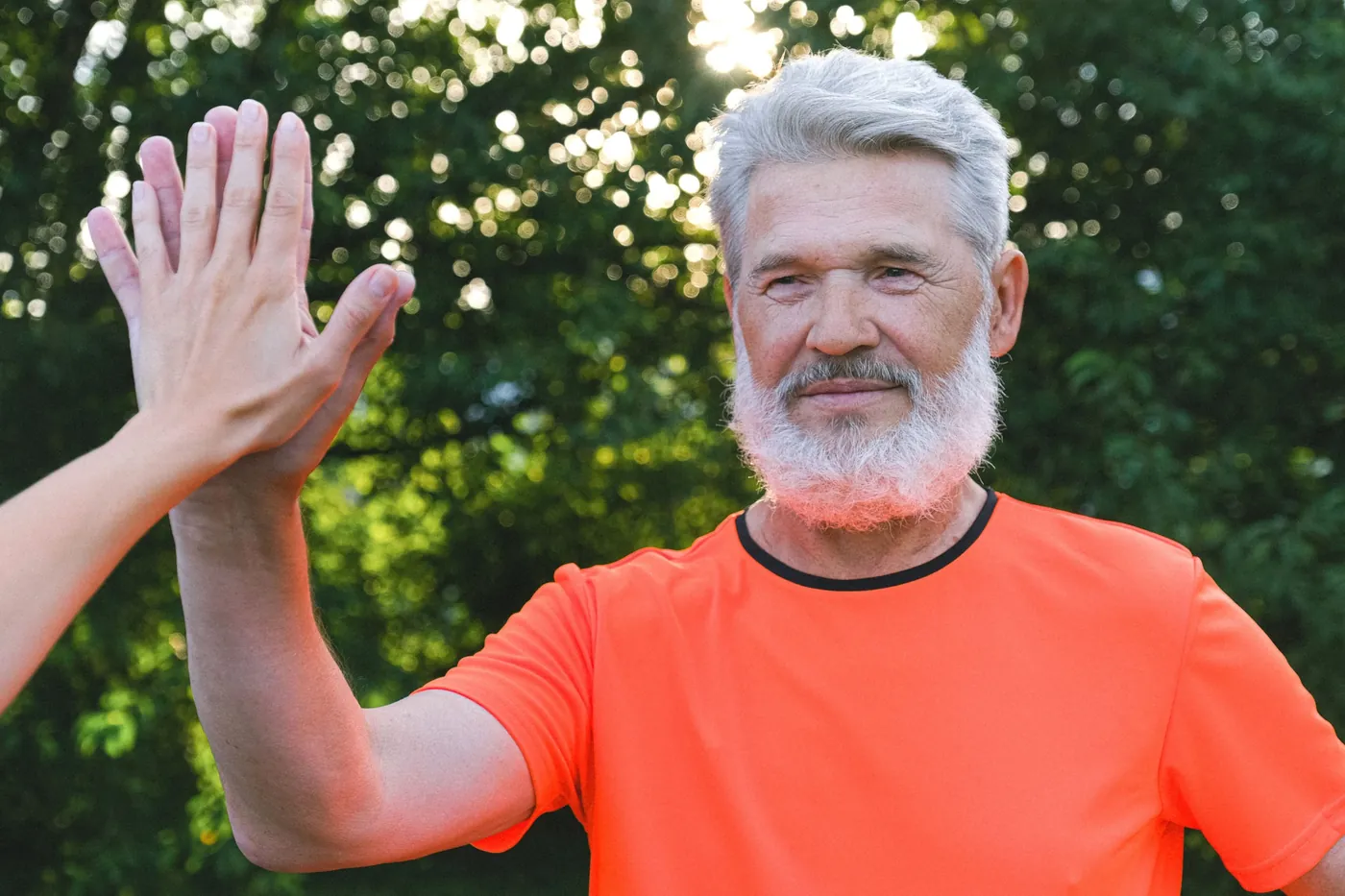
Anything that gets you breathing a little harder counts: walking, water aerobics, dancing, gardening, cycling on a stationary bike. Pick something you enjoy so you'll stick with it. A walking buddy helps too.
2. Strength: for getting up, carrying and climbing
Strong legs make it easier to get out of a chair, climb stairs and recover if you trip. Simple strength exercises include:
- Sit-to-stands: stand up from a sturdy chair and sit back down slowly, using your hands only if needed.
- Wall push-ups.
- Heel raises while holding the back of a chair.
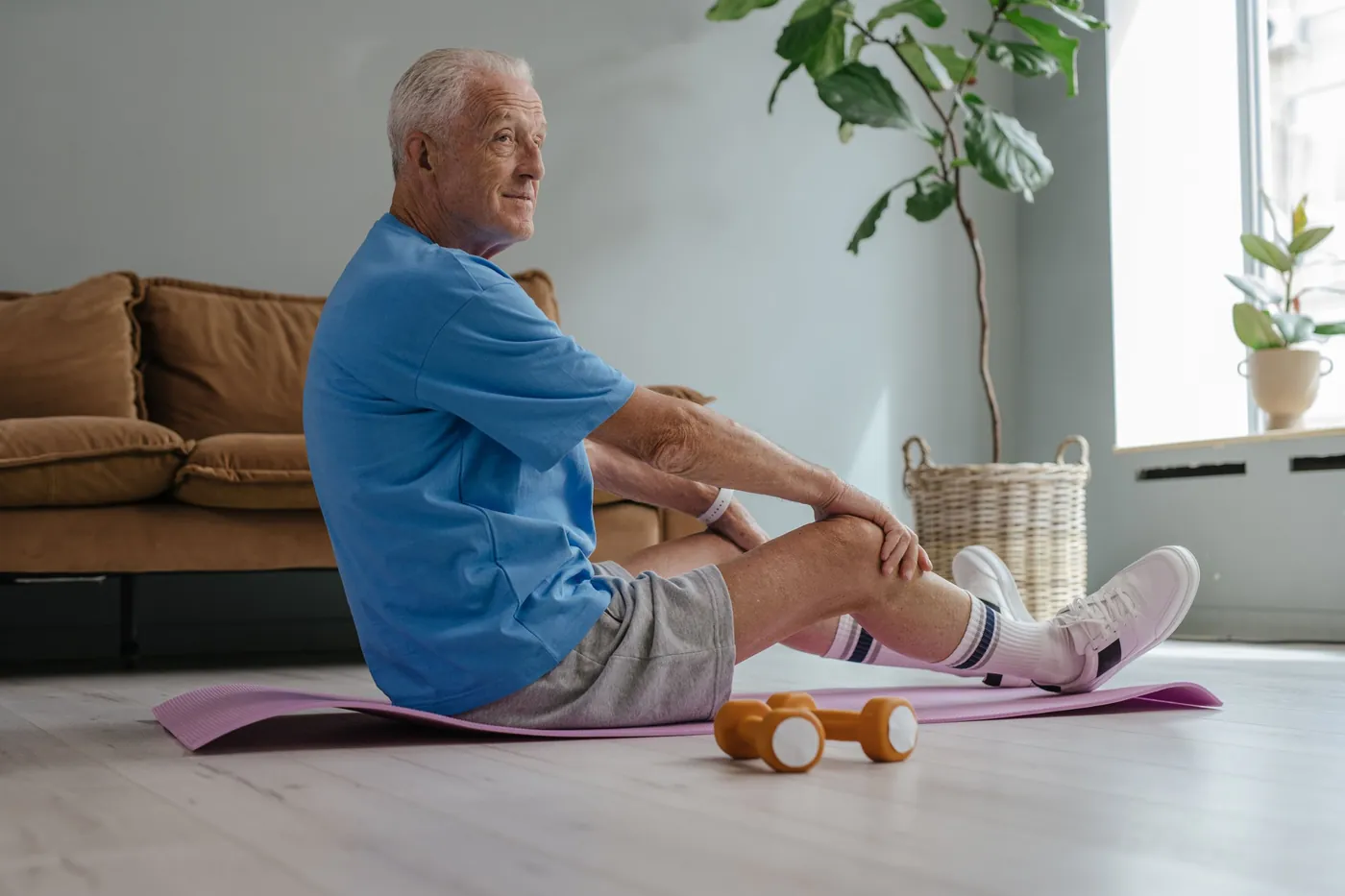
- Light hand weights or resistance bands for arms and shoulders.
3. Balance: for staying on your feet
Balance improves with practice. Tai chi is one of the best-studied options. At home, try standing on one foot while holding a counter, or walking heel-to-toe along a hallway with a hand on the wall.
4. Flexibility
Gentle stretching keeps joints moving and makes everyday tasks like reaching and bending easier. Stretch after you are warmed up, and never bounce.
Getting started safely
- Talk with your doctor before starting a new program, especially if you have a heart condition, have had a recent fall or are recovering from surgery.
- Start slowly and build up a few minutes at a time.
- Exercise near something sturdy to hold, wear supportive shoes and drink water.
- Stop and get help if you feel chest pain, severe shortness of breath or dizziness.
- Ask about classes for older adults at local senior centers, YMCAs or through your health plan.
Mailed to your door. No cost or obligation.
Help is always one press away
Answer 4 quick questions and we'll recommend the right protection, or talk to a specialist now.
Sources
- CDC – Physical Activity for Adults 65 and Older
- National Institute on Aging – Exercise and Physical Activity
- CDC STEADI – Older Adult Fall Prevention
This article is for general information and is not medical advice. Talk with your doctor or a physical therapist about what is right for you. In an emergency, call 911.