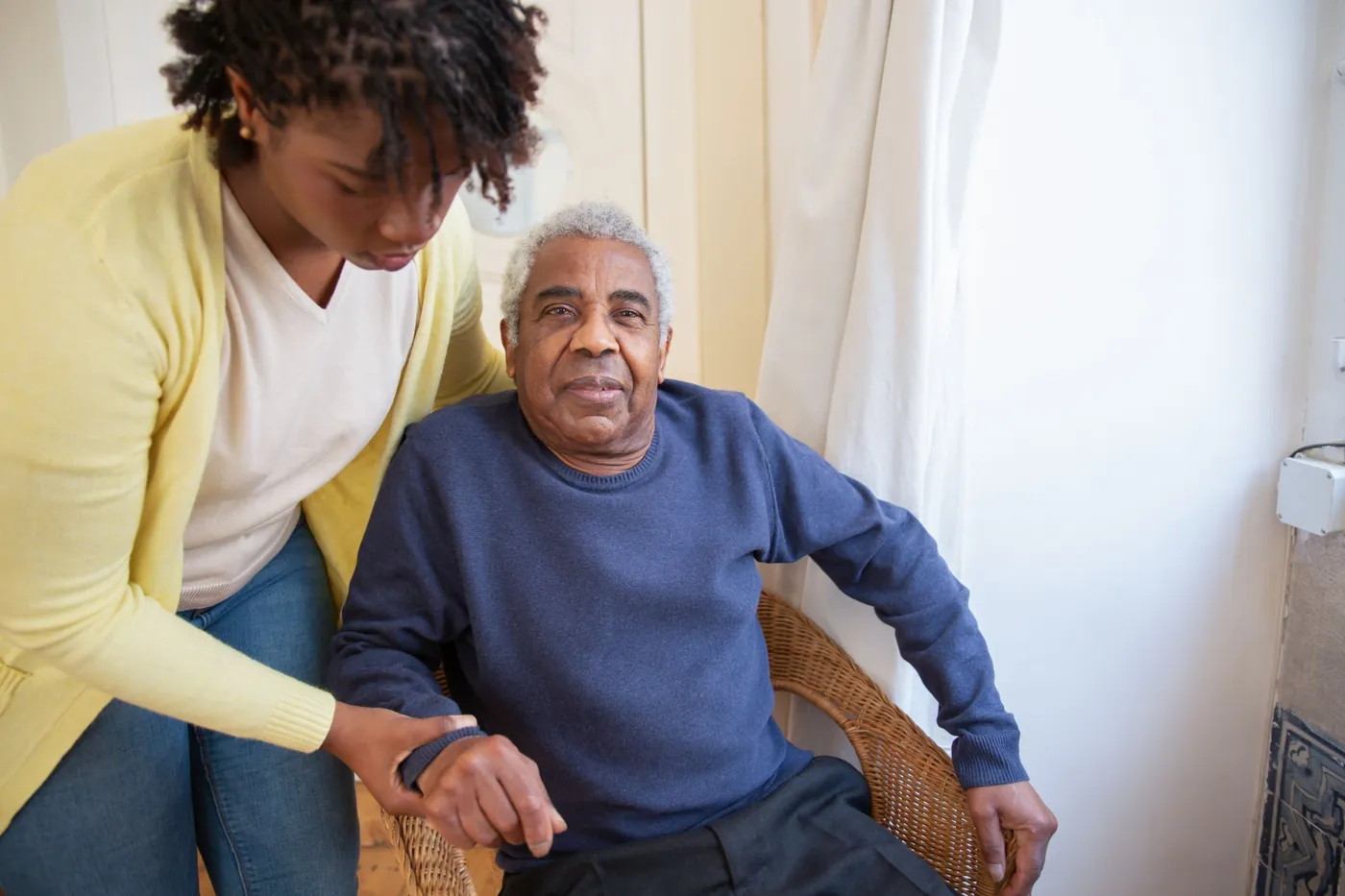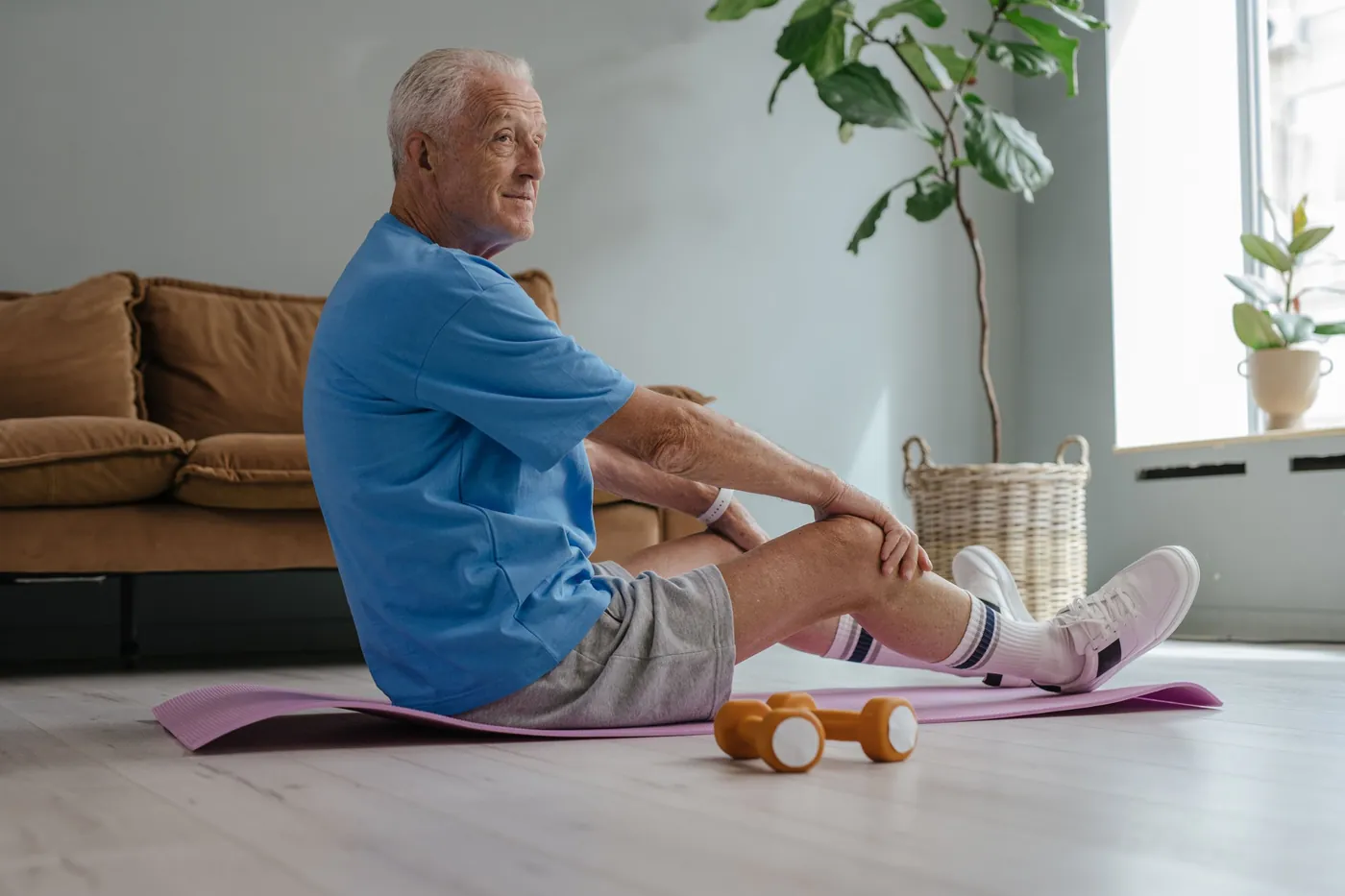
One in four adults age 65 and older reports a fall each year, according to the CDC. The good news: many of the hazards that cause falls at home are easy and inexpensive to fix. Walk through the house with this checklist, ideally with a family member, and tick off each item as you go.
Floors and walkways (every room)
- Clear paths: no shoes, cords, boxes or clutter where you walk.
- Remove throw rugs, or secure them with double-sided rug tape or a non-slip backing.
- Tape or re-route electrical and phone cords along the wall, never across a walkway.
- Fix loose or curled carpet edges and uneven thresholds.
- Wipe up spills right away.
Stairs and steps
- Sturdy handrails on both sides, running the full length of the stairs.
- A light switch at the top and the bottom of every staircase.
- Nothing stored on the steps.
- Loose or broken steps repaired; carpet firmly attached.
- High-contrast tape on the edge of each step if they are hard to see.
Bathroom
The bathroom is one of the riskiest rooms in the house: wet, hard surfaces and lots of standing up and sitting down.
- Grab bars installed inside the tub or shower and next to the toilet. Towel bars are not made to hold body weight.
- Non-slip mat or adhesive strips on the floor of the tub or shower.
- A shower chair or tub transfer bench, plus a hand-held shower head.
- A raised toilet seat or toilet safety frame if getting up is hard.
- A night-light between the bedroom and the bathroom.
Bedroom
- A lamp you can reach from bed without getting up.
- Night-lights or motion-activated lights on the way to the bathroom.
- A bed that's the right height: feet flat on the floor when you sit on the edge.
- A phone or help button within reach of the bed.
- Sit on the edge of the bed for a moment before standing up, especially at night.
Kitchen
- Everyday dishes, food and pots stored between waist and shoulder height.
- No standing on chairs. If you need a step stool, use a sturdy one with a handrail.
- Non-slip mats in front of the sink, wiped dry often.
Lighting
- Bright, even light in every room, hallway and entryway.
- Light switches reachable at the entrance to each room (or smart bulbs and plug-in sensors).
- Outdoor lights at every entrance, plus a motion light on the path to the door.
Outside the home
- Walkways repaired: no cracks, loose pavers or tree roots.
- Handrails on outside steps and porches.
- Leaves, ice and moss cleared regularly.
Health checks that help
Home fixes work best alongside a few health habits: an eye exam every year, a medication review with your doctor or pharmacist, and regular exercise that improves strength and balance. Read more in our guide to exercise for seniors and the most common reasons older adults fall.
Have a plan if a fall happens
Even a perfectly safe home can't prevent every fall. What matters next is getting help quickly. A medical alert system lets you reach a trained monitoring agent with one press, from anywhere in the house, so you are never stuck waiting for help. A wall help button in the bathroom or bedside adds a second way to call for help in the rooms where falls happen most.
Mailed to your door. No cost or obligation.
Help is always one press away
Answer 4 quick questions and we'll recommend the right protection, or talk to a specialist now.
Sources
- CDC – Older Adult Falls Data
- CDC STEADI – Older Adult Fall Prevention
- National Institute on Aging – Falls and Falls Prevention
This article is for general information and is not medical advice. Talk with your doctor or a physical therapist about what is right for you. In an emergency, call 911.