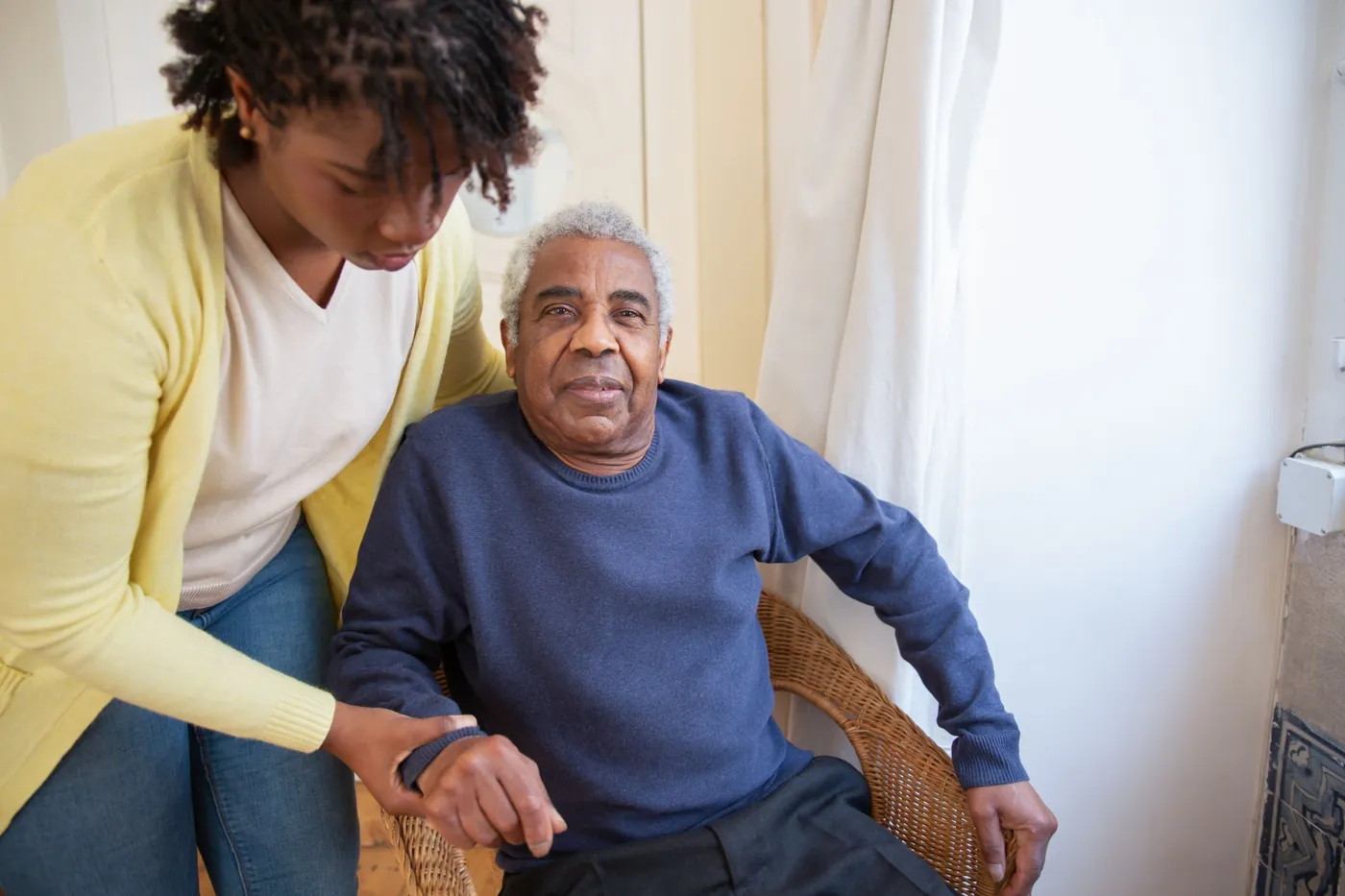
Aging in place means continuing to live safely and comfortably in your own home as your needs change. Some changes are quick weekend projects; others are bigger upgrades worth planning for. Start with the rooms where you spend the most time and where falls are most likely: the bathroom, the bedroom and the stairs.
Quick, low-cost changes
- Better lighting: brighter bulbs, night-lights and plug-in motion lights along the route to the bathroom.
- Lever handles on doors and faucets, which are easier than round knobs for hands with arthritis.
- Non-slip mats in the tub, shower and in front of the sink.
- Rearranged storage so everyday items sit between waist and shoulder height.
- Furniture risers or a firmer cushion to make low chairs easier to get out of.
- A clear path through every room, with cords and rugs removed or secured.
Bathroom upgrades
- Grab bars by the toilet and in the shower, anchored into wall studs by a professional.
- A shower chair or transfer bench and a hand-held shower head.
- A raised toilet seat or a comfort-height toilet.
- A walk-in or curbless shower to remove the step over the tub edge. This is a bigger project, but often the most valuable one.
Stairs and entryways
- Handrails on both sides of every staircase, inside and out.
- Bright lighting with switches at the top and bottom.
- A no-step entry or a ramp if steps become difficult.
- A bench by the door for putting on shoes.
Bigger projects to plan for
If you expect to stay in your home for many years, consider moving the bedroom to the main floor, widening doorways for a walker or wheelchair, or adding a stair lift. An occupational therapist can do a home safety assessment and recommend the changes that matter most for you. Ask your doctor for a referral.
Technology that helps
Home changes reduce the chance of a fall; technology helps make sure you get help fast if one happens anyway. A medical alert system with a wearable button, a wall help button in the bathroom and optional fall detection means help is available in every room, 24 hours a day. With the Caregiver App, family members can get alerts and check on the device from anywhere.
Use our room-by-room home safety checklist to decide where to start.
Mailed to your door. No cost or obligation.
Help is always one press away
Answer 4 quick questions and we'll recommend the right protection, or talk to a specialist now.
Sources
This article is for general information and is not medical advice. Talk with your doctor or a physical therapist about what is right for you. In an emergency, call 911.