Millions of older Americans live on their own, and most of them like it that way. Independence matters. The main risk of living alone is not the home itself. It's what happens if something goes wrong and nobody knows. A fall, a sudden illness or a missed medication can become much more serious when help is hours or days away. These nine steps close that gap without taking away anyone's independence.
1. Set up a daily check-in
Agree on a simple routine with a family member, friend or neighbor: a phone call or text at about the same time every day. Just as important, agree on what happens if the check-in is missed, for example "if I don't hear from you by 10 AM, I'll call, and if you don't answer, I'll come by."
2. Keep a way to call for help within reach, always
Many people who fall at home can't get up on their own, and the phone is often in another room. Carry a cell phone in a pocket, or wear a help button you can press from anywhere in the home, including the shower, where many falls happen. A wall help button in the bathroom adds a second way to call.
3. Make the home fall-safe
Clear walkways, secure or remove throw rugs, add grab bars and night-lights, and keep everyday items between waist and shoulder height so there's no need to climb. Our room-by-room home safety checklist takes about an afternoon.
4. Plan how help will get in
If you call for help and can't get to the door, responders may have to force it open. Avoid that with a spare key left with a trusted neighbor or a key lock box outside the home. With a lock box, the code can be shared with emergency responders only when they need it.
5. Keep emergency information ready
- Emergency contacts, doctors and pharmacy.
- Every medicine with its dose, plus allergies and major health conditions.
- Insurance and Medicare information.
Keep a copy on the fridge, where paramedics know to look, and a copy in a wallet or purse. Many phones also let you add emergency contacts and medical information that can be seen from the lock screen.
6. Stay socially connected
Regular contact with other people supports both mood and health, and it means someone notices quickly if something changes. Senior centers, faith communities, clubs, classes and volunteering are all good options. So is a standing weekly lunch or phone call with a friend.
7. Stay on top of health
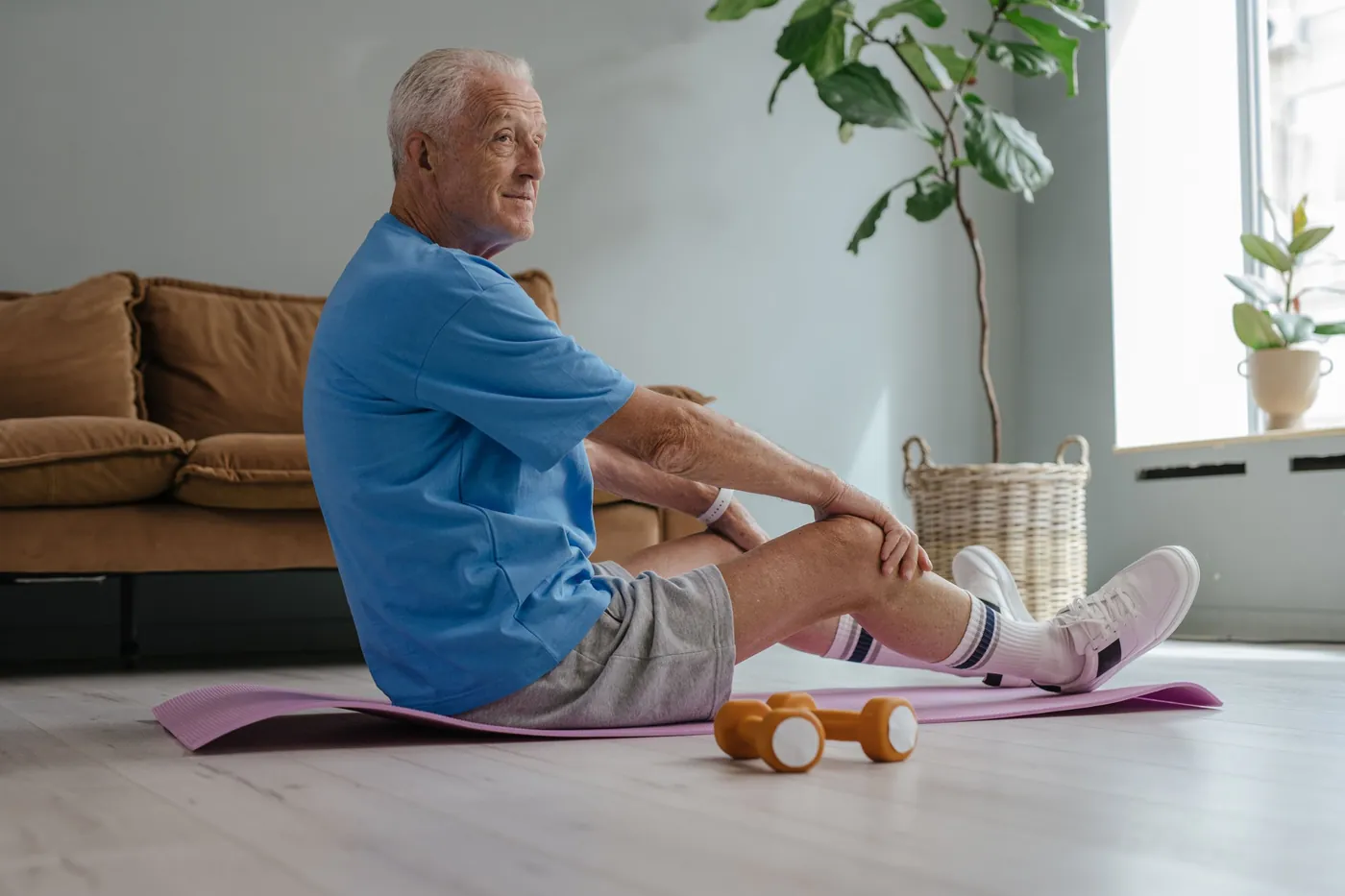
Keep regular checkups, eye exams and hearing checks, and review medications with the doctor or pharmacist at least once a year. A pill organizer and a daily reminder make missed or double doses less likely. Staying active matters too: see our guide to exercise for strength and balance after 65.
8. Be alert to scams
People who live alone are a frequent target for phone and email scams. Never share personal or bank information with someone who contacted you first, and be suspicious of any request for gift cards or wire transfers. When in doubt, hang up and call a family member or the company directly using a number you already know.
9. Know the signs it may be time for more help
Living alone works best when everyone is honest about how it's going. Families should watch for:
- Recent falls or new bruises.
- Missed medications or appointments.
- Spoiled food, weight loss or an empty fridge.
- Unpaid bills or unopened mail piling up.
- New dents or scratches on the car.
Noticing one of these doesn't mean someone has to move. Often a few changes, more check-ins or a little help at home are enough.
How a medical alert helps people who live alone
A medical alert system is built for exactly the moment that worries families most: something happens and no one is there. One press of the help button connects to a trained monitoring agent 24/7, who can send help and call family. Optional automatic fall detection can call for help even if the button isn't pressed. An on-the-go device with GPS works outside the home, and a caregiver app lets family see alerts and know their loved one is OK.
For a wider look at safety at home, read our family guide to senior safety.
Mailed to your door. No cost or obligation.
Help is always one press away
Answer 4 quick questions and we'll recommend the right protection, or talk to a specialist now.
Sources
- CDC – Older Adult Falls Data
- National Institute on Aging – Falls and Falls Prevention
- Administration for Community Living – Reducing Social Isolation and Loneliness
- FTC – Pass It On: Fraud Prevention
This article is for general information and is not medical advice. Talk with your doctor or a physical therapist about what is right for you. In an emergency, call 911.